Parent Notes
What Does Homeschooling Actually Look Like? 10 Ways Learning Happens Beyond the Table
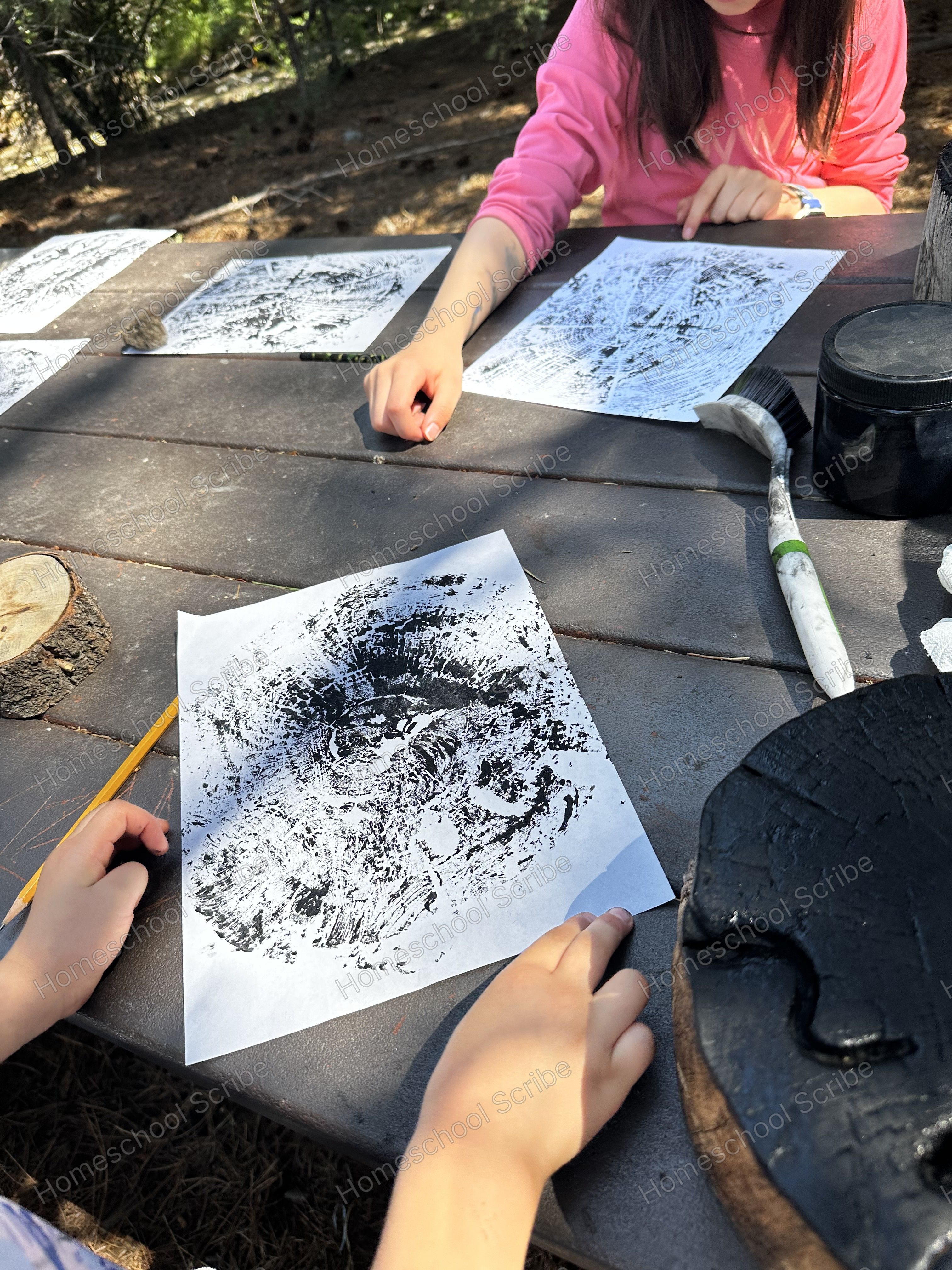
Ask ten homeschool families what a normal school day looks like, and you'll probably get ten different answers.
For some families, there are textbooks, workbooks and a fairly predictable schedule. For others, the day might include a library program, an afternoon outside, a project spread across the kitchen table or a field trip that takes up most of the day. Most of us probably land somewhere in between.
Our homeschool has certainly included plenty of traditional schoolwork. There are lessons to finish, skills to practice and things I want to make sure our kids learn. But some of the learning that I remember - most didn't happen because I planned a lesson at all.
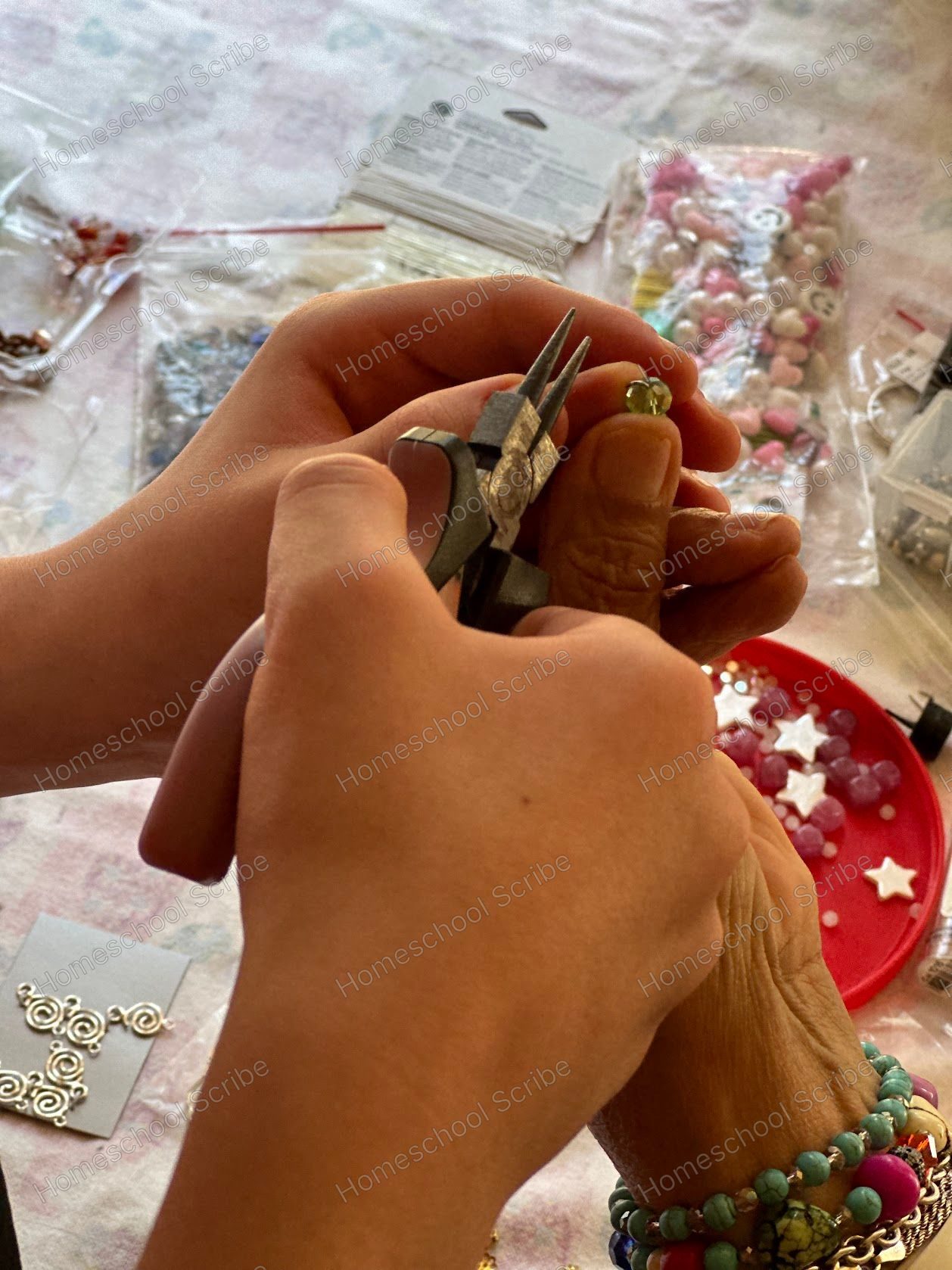
It happened because: somebody found a strange bug, or we cracked open a geode, maybe Grandma pulled out supplies and taught the kids how to make earrings, or we possibly stopped somewhere while traveling and discovered that there was far more to learn there than we expected.
Over time, I've realized that one of my favorite parts of homeschooling is having enough flexibility to follow those moments when they appear.
Here are ten ways we've watched learning happen beyond the table.
1. Following the Question
A lot can start with one question: What kind of bug is this? Why does this rock look like that? How does this work? Can we make one?
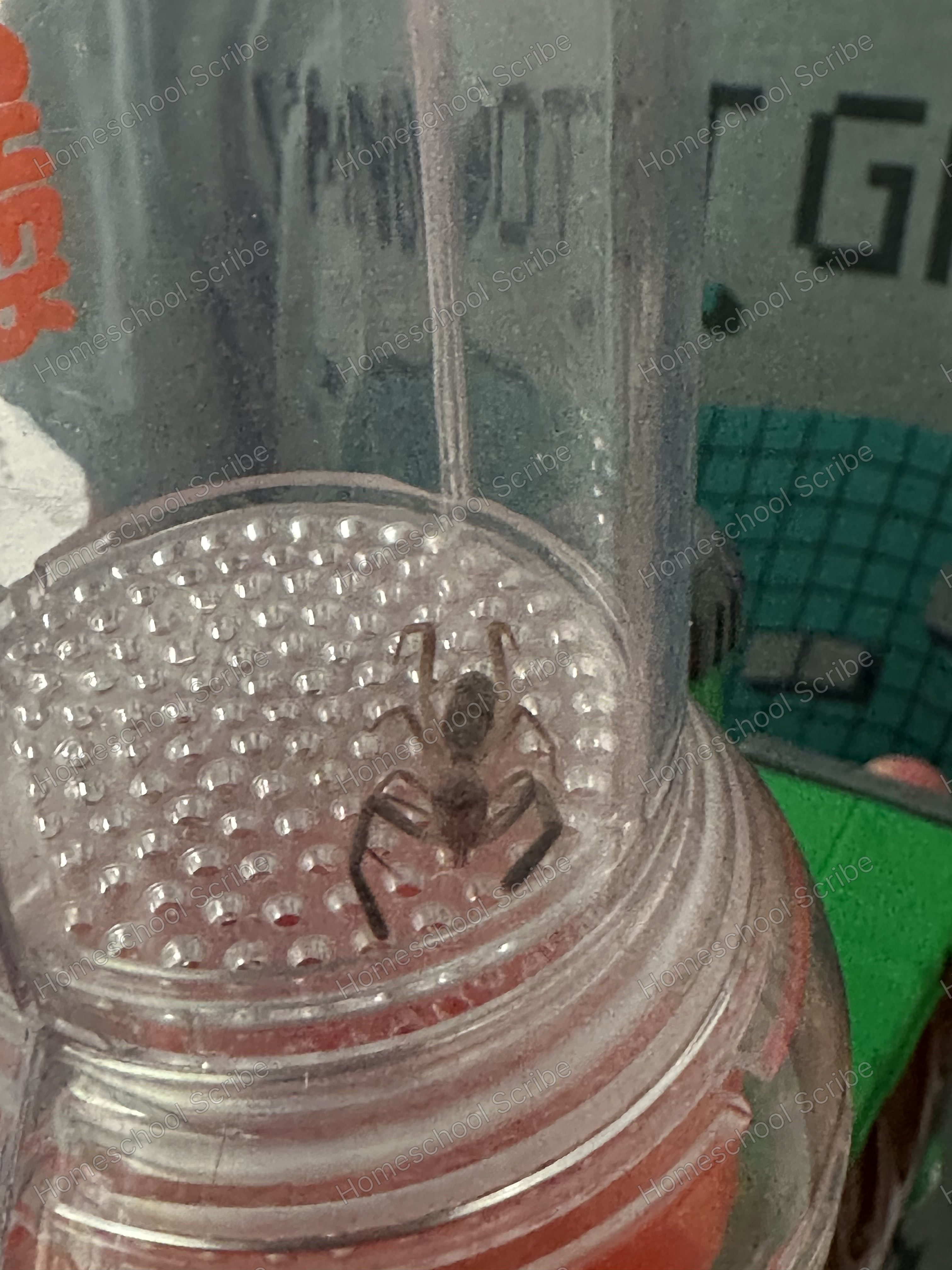
We don't always turn those questions into formal lessons. Sometimes we look something up and move on. Other times, one question leads to another, we find a book, pull up photographs, try something ourselves or realize we have stumbled into a subject the kids genuinely want to explore.
Those moments have helped me pay attention not only to what we are teaching, but to what our kids are already trying to learn.
2. Making Something With Their Hands
There is a different kind of learning that happens when children actually make something. We have seen it with crafts, building projects, cooking and even an afternoon making a set of earrings with Grandma.
Creating something requires them to figure out how materials work, follow a process, make choices and adjust when the result doesn't look quite the way they expected. Sometimes the finished product is wonderful, and sometimes it very much looks like a child made it; either way, the process often tells us more than the finished project ever could.
3. Spending Time in the Kitchen
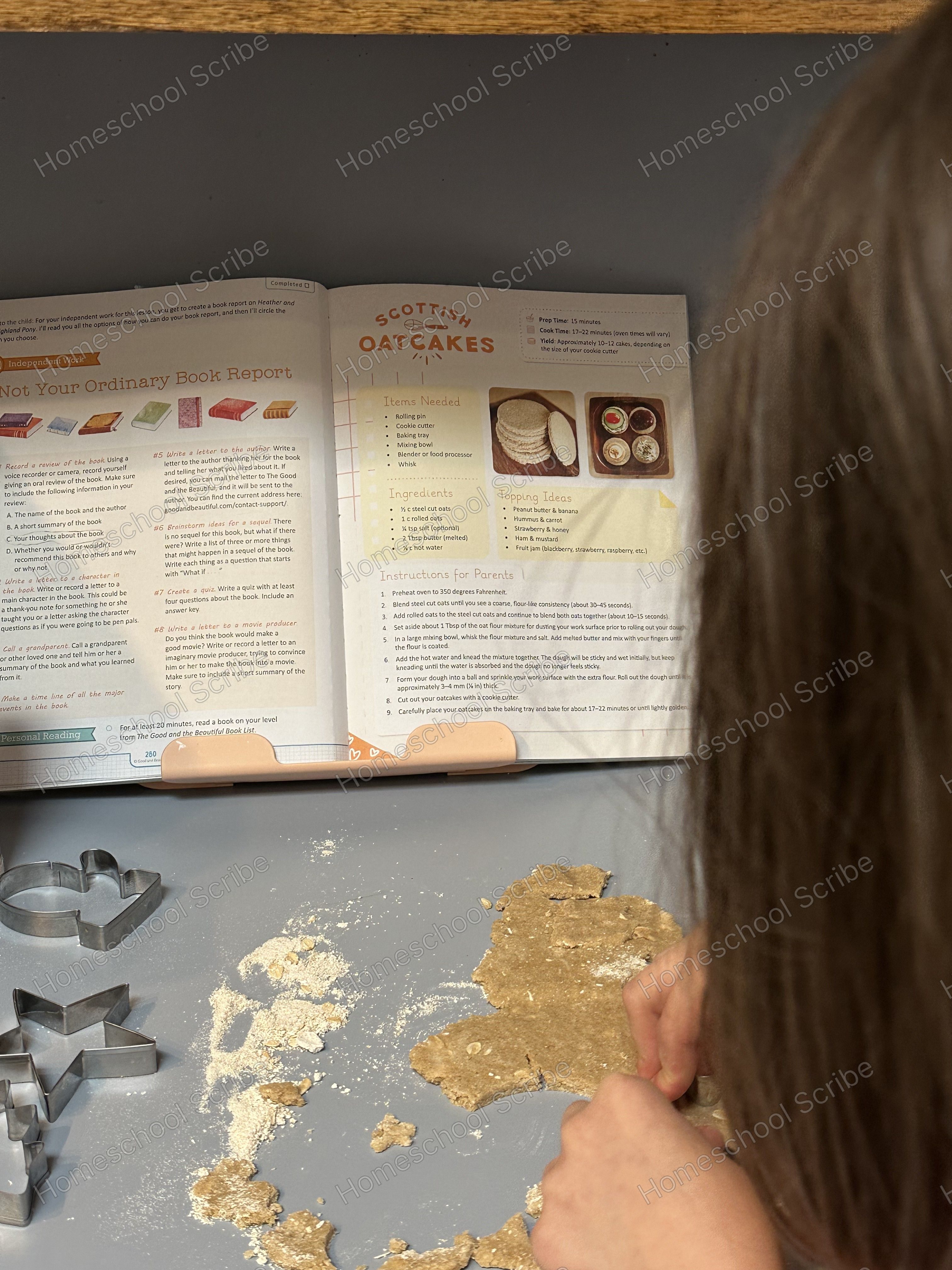
Cooking is one of those everyday activities that can bring several kinds of learning together without much effort from us. Recipes involve reading and sequencing, measuring puts numbers and fractions into a tangible context, and kids get to watch what happens when ingredients are combined, heated, cooled or otherwise changed.
There are plenty of opportunities for mistakes, too. We've had spills, measurements that needed correcting and recipes that didn't turn out exactly as imagined, and working through those moments becomes part of the experience.
At times we are deliberately teaching a kitchen skill; at others, someone simply wants to help make lunch. Learning can happen in both.
4. Going Outside and Looking Closer
We don't have to go somewhere spectacular for nature to give us something to investigate. Explore around and you may find a grasshopper, a moth, or possibly a snail moving slowly enough that everyone has time to stop and watch it.
A child noticing something outside gives us an easy place to begin: What do you notice? From there, we might take a picture, try to identify what we found, look something up later or just watch for a while. Some discoveries turn into much bigger investigations, while plenty remain interesting moments for only a only a few minutes.
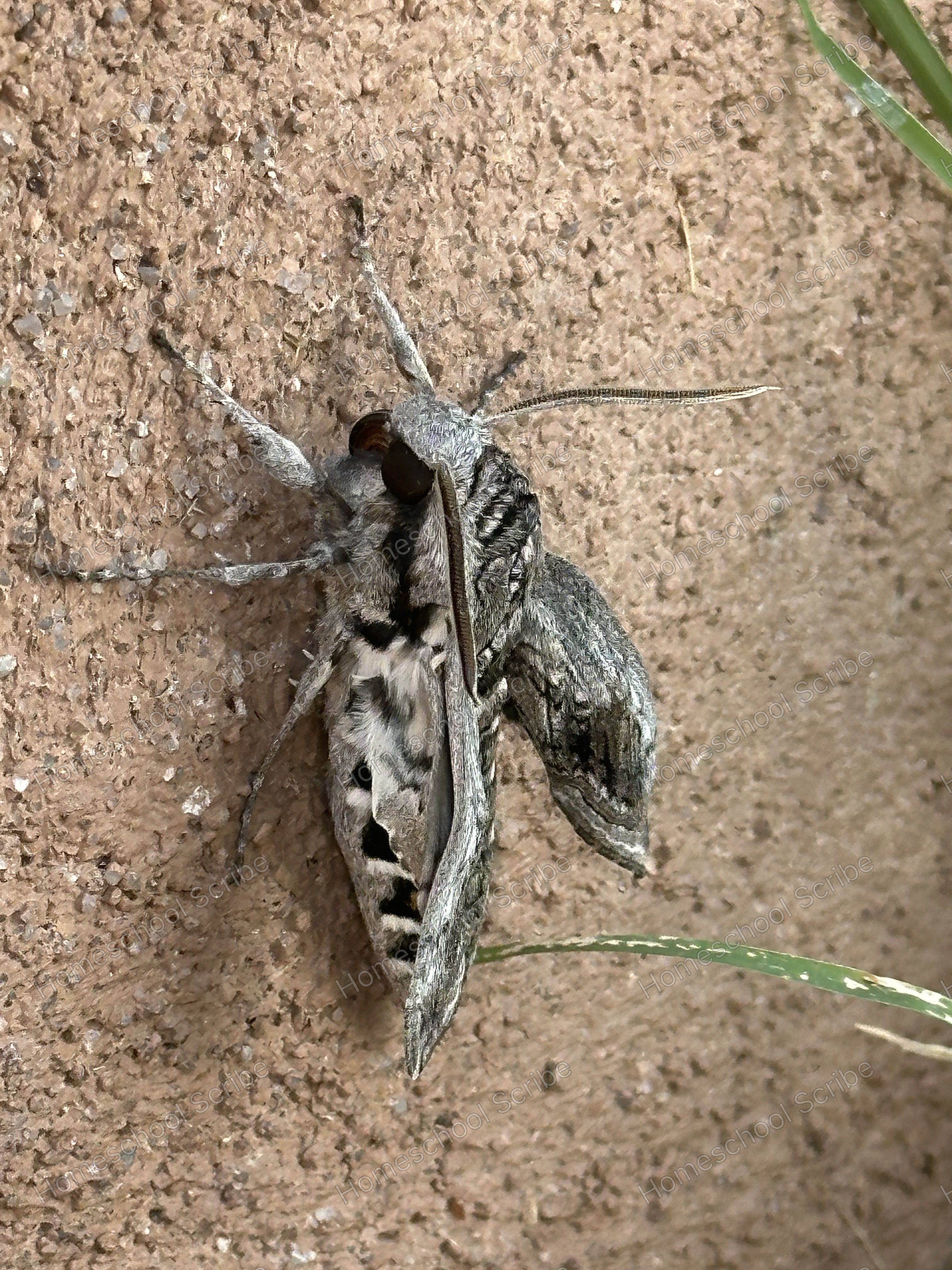
I have come to appreciate both kinds.
5. Using the Library for More Than Books
Books are a huge part of what libraries offer us, but we've also found programs, activities and opportunities there that we wouldn't necessarily have known about otherwise.
Libraries can be especially useful when a child suddenly becomes interested in something. We can gather several books around the subject instead of committing to an entire curriculum or purchasing a stack of resources before knowing how long the interest will last.
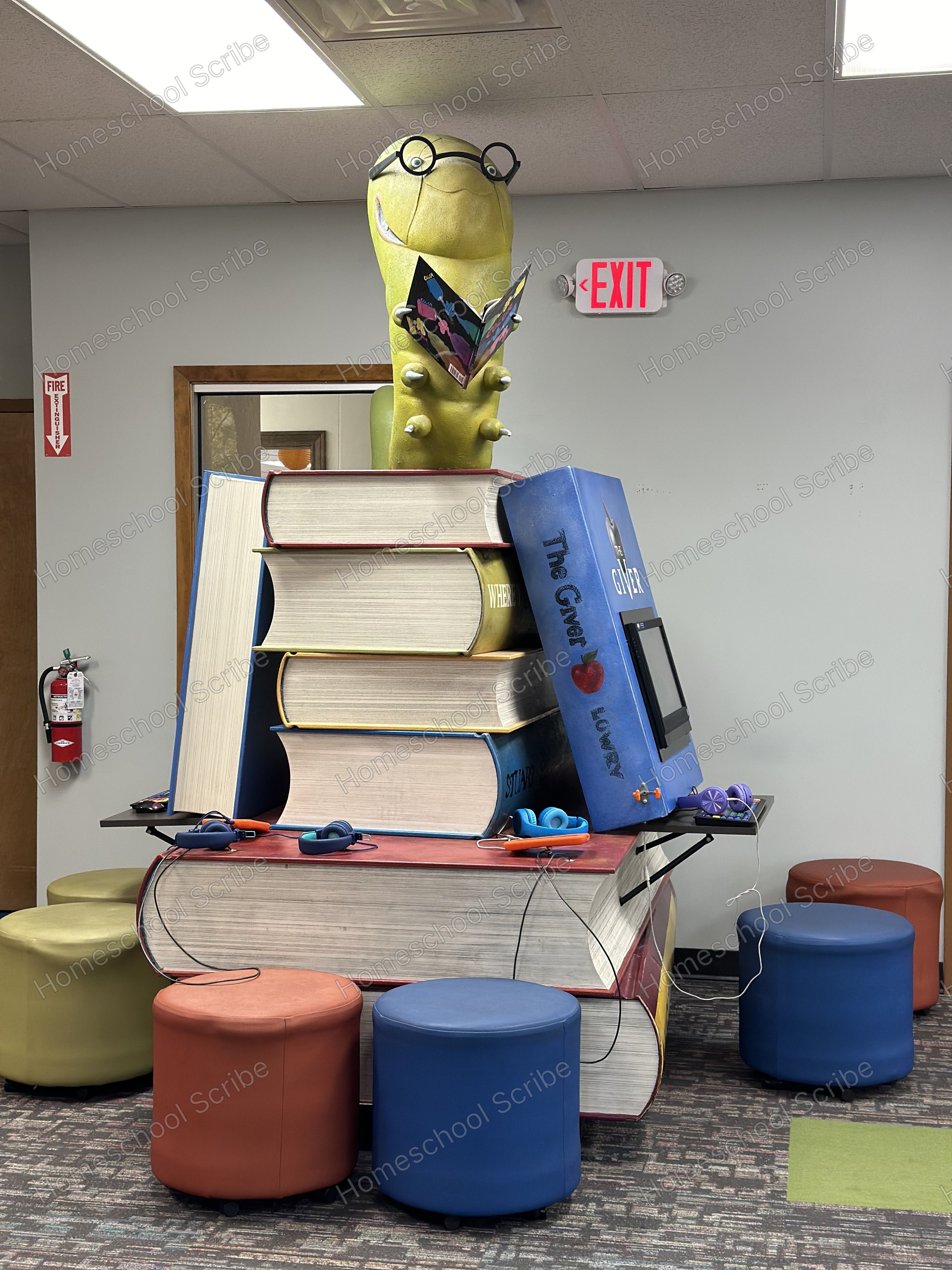
They have also introduced us to things we were not looking for at all. Those unexpected finds are part of why checking local libraries—both at home and while we are traveling has become something that we value.
6. Letting a Field Trip Keep Going After We Get Home
Sometimes the best indication that a field trip worked is not what happened while we were there, it is what happens afterward. Someone asks another question in the car. A child recognizes something in a book a week later. We find a documentary about something we saw. A rock comes home in a pocket and suddenly everyone wants to know what it is.
We don't try to extend every outing this way. Sometimes we go somewhere, enjoy ourselves and that's the end of it. But when the interest follows us home, we try to leave some room for it.
7. Learning From Other People
I may be responsible for much of our children's schooling, but I am certainly not the only person who can teach them. Grandparents and Park Rangers know things that I don't. Librarians, artists, tradespeople, museum educators, farmers, musicians and people we meet along the way all carry knowledge and experiences our children can learn from.
Sometimes the most useful thing I can do is step aside and let somebody else show them how something works. Those interactions also give our kids opportunities to ask questions, listen to people with different expertise and see that learning isn't something that only happens between a teacher and a student.
8. Traveling Somewhere New
Travel has given us some of our clearest examples of subjects overlapping naturally. A national park can involve geology, biology, history and geography before we have opened a single book.
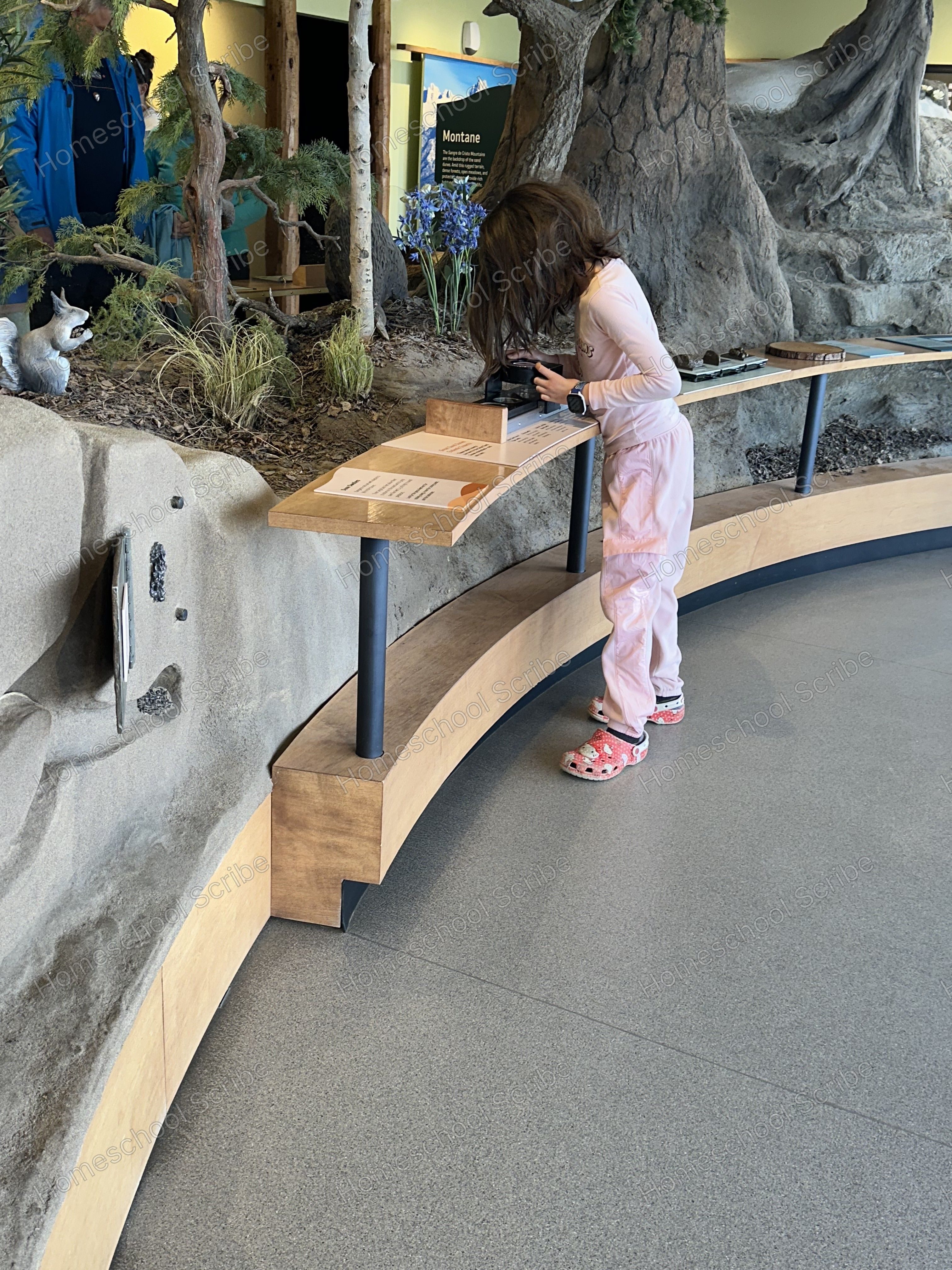
A road trip makes maps and distances relevant. A historical site can give context to something we have previously read about.
Then there are the things we never planned to find: A local event, a gem show, a Junior Ranger program, or a recommendation from someone who lives there.
We don't travel because every family trip needs to become a field trip. But once we are somewhere new, we are usually curious about what there is to discover, and that curiosity has taken us to some pretty interesting places.
9. Doing Real Things That Need to Be Done
Some learning opportunities aren't activities we have created for the kids at all, they are simply part of family life. Planning something, organizing supplies, helping with a project, comparing options, caring for belongings, reading instructions or figuring out how much of something we need can all require children to use skills that they are practicing elsewhere.
The difference is that now the skill has a purpose. Math is not only a page of problems when you actually need the measurement to be correct. Reading instructions matters more when you are trying to build the thing pictured on the box.
These experiences aren't replacements for every formal lesson. They are opportunities to see those skills working in real life.
10. Leaving Enough Room for the Unexpected
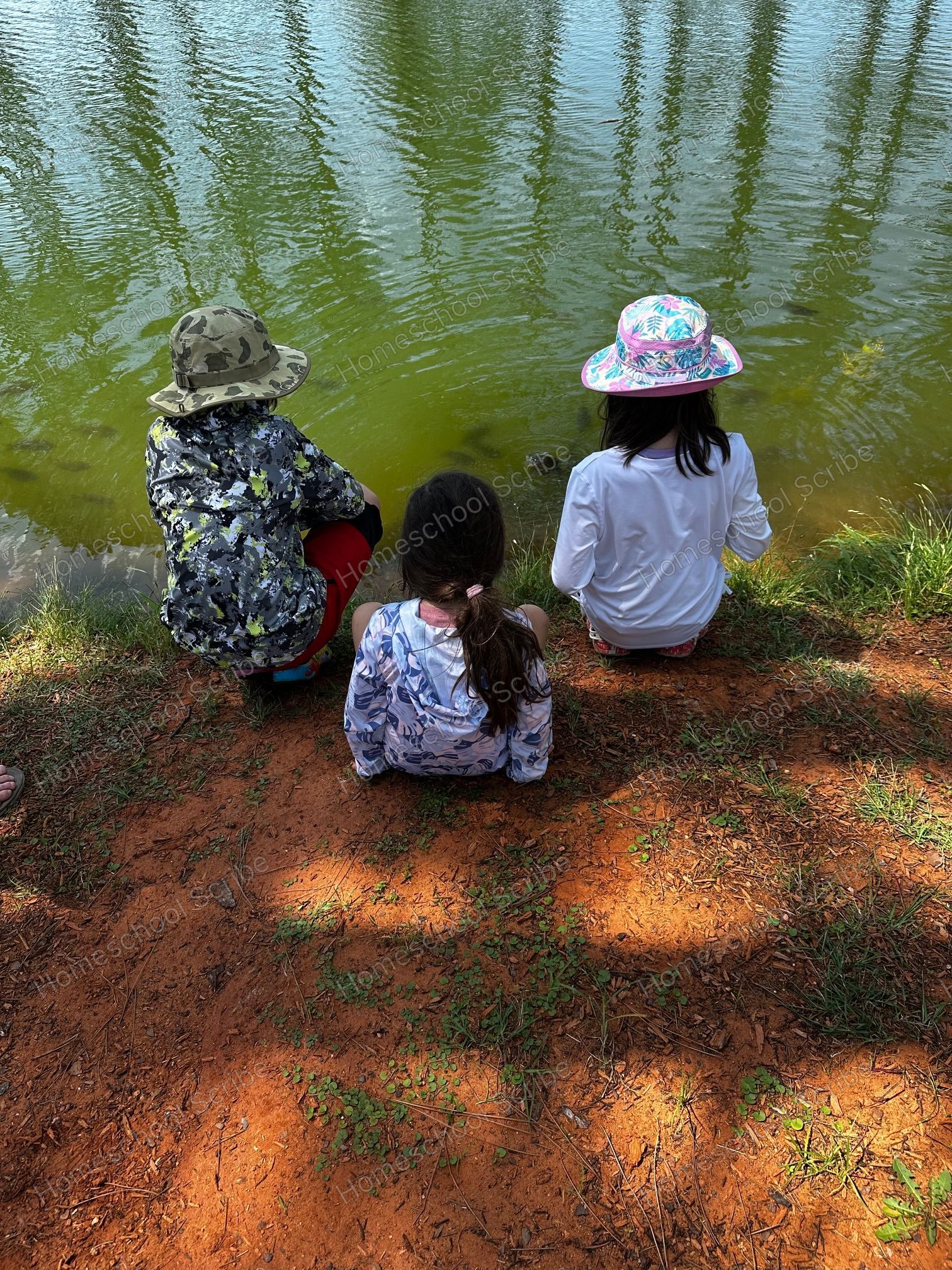
This might be the one that has shaped our homeschool the most. Not everything worth learning can be scheduled.
Sometimes the interesting thing appears at a later time. Sometimes the kids become fascinated by something I hadn't planned to cover. Sometimes an ordinary outing unexpectedly becomes the thing everyone talks about afterward.
We don't chase every rabbit trail, nor could we.
Homeschooling does, however, give us the flexibility to occasionally say, let's see where this goes. Some of our favorite learning has started there.
So, What Does Homeschooling Actually Look Like?
For us, it looks like a mixture. There are books on the table and pencils that need sharpening. There are lessons we complete because they need to be completed and skills that require consistent practice.
There are also muddy shoes, library stacks, half-finished projects, recipes, questions I do not know the answer to, rocks in pockets, park ranger badges, things growing on windowsills, and unexpected detours because somebody noticed something interesting.
I don't think learning beyond the table means the table isn't important. It means that the table isn't the boundary.
Once I started looking at homeschooling that way, it became easier to recognize just how much learning was happening in the spaces between our formal lessons. Maybe that is one of the greatest freedoms homeschooling gives us: not the freedom to make everything into school, but the freedom to notice when learning is already happening.
A Scribe Note
We don't have to choose between structured academics and learning through everyday life. There can be room for deliberate lessons, unexpected opportunities and the interests our children bring to us.
Sometimes we teach the lesson, sometimes we provide the opportunity, and sometimes we simply notice where curiosity is already leading.